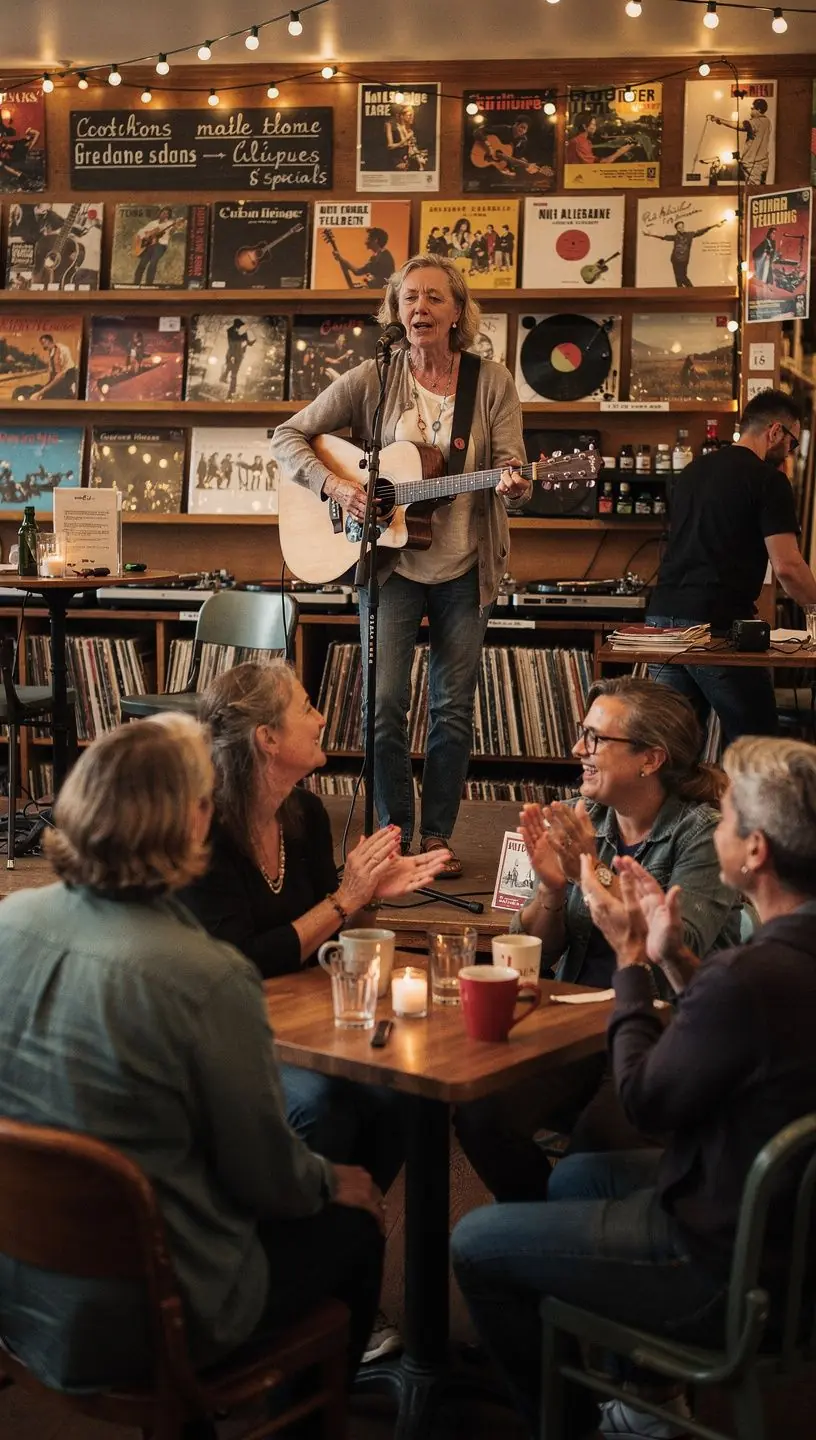
Practical Guide to Organizing Social Music Events
Organizing social music events can be an enriching experience, fostering community engagement and providing enjoyable entertainment. However, it requires careful planning and execution. This guide offers practical steps and insights to help you create successful gatherings tailored for audiences aged 40-60.
Understanding the Basics
Before diving into the logistics, it's crucial to understand the fundamental aspects of organizing a music event. According to industry research, a well-planned event typically involves various elements such as venue selection, artist booking, and audience engagement. Experts recommend starting with a clear vision of the event's purpose—whether it's a themed night, an offline concert, or a social club gathering.

"A successful event is not just about the music; it's about creating an experience that resonates with your audience." - Event Planning Specialist
Step-by-Step Planning Process
Here's a structured approach to organizing your event:
- Define Your Objectives: Determine what you want to achieve. Is it to foster community connections or promote local artists? Setting clear objectives helps shape your planning process.
- Select a Suitable Venue: Choose a location that fits your audience's preferences. Venues should typically accommodate the expected crowd size and provide a comfortable atmosphere. Research shows that venues with good acoustics and accessibility can enhance the overall experience.
- Book the Right Talent: Selecting performers who resonate with your audience is crucial. Consider local musicians or cover bands that play popular songs from the 70s and 80s, as many users report a nostalgic connection to this era.
- Plan Engagement Activities: Incorporate themed activities or interactive sessions that encourage audience participation. This can significantly enhance the overall enjoyment and encourage repeat attendance.
- Promote Effectively: Use social media and community boards to spread the word. Research indicates that targeted marketing efforts can yield better attendance rates.
Logistical Considerations
While your planning will cover the essential elements, logistical details are equally important:
- Time Management: Allow adequate time for preparation. Organizing an event typically takes 2-4 weeks, depending on its complexity.
- Budgeting: Establish a budget that includes venue costs, artist fees, equipment rentals, and promotional expenses. This proactive approach can help avoid financial surprises.
- Staffing: Recruit volunteers or hire staff for event day coordination. Having dedicated personnel can alleviate stress and ensure smooth operations.
Anticipating Challenges
No event is without its challenges. Acknowledging potential obstacles can improve your resilience:
- Weather conditions can impact outdoor events, so have a contingency plan ready.
- Technical difficulties with sound systems may arise; consider hiring professionals for setup.
- Low attendance can occur despite planning; ensure your marketing strategy is robust and reaches your target audience effectively.
Conclusion
Organizing social music events can be a rewarding endeavor that fosters community ties and celebrates music. By following these practical steps, you can create memorable experiences for your audience. Remember to stay adaptable and responsive to any challenges that may arise. With dedication and thoughtful planning, your event can become a cherished occasion that resonates with attendees long after the final note fades.