The Impact of Live Music on Mental Well-Being
Live music has been a source of joy for many, but its effects extend beyond mere entertainment. Numerous studies indicate that engaging with live music can offer significant benefits for mental well-being, especially for those in the 40-60 age group. This article explores how live performances can enhance mood, foster social connections, and improve overall mental health.
Understanding the Connection Between Music and Mental Health
Research shows that music can profoundly influence our emotions and mental states. When people attend live music events, they are often immersed in an experience that combines auditory stimulation with social interaction, leading to a sense of belonging and emotional release. According to the American Psychological Association, music can trigger the release of neurotransmitters like dopamine, which is associated with pleasure and satisfaction.

"Participating in live music events has been linked to reduced symptoms of anxiety and depression, according to various studies." - Dr. Sarah Thompson, Clinical Psychologist
Benefits of Live Music for Mental Well-Being
- Enhanced Mood: Many users report a boost in mood after attending live performances. The combination of music and the live atmosphere can elevate emotional states, often leading to increased happiness and reduced stress.
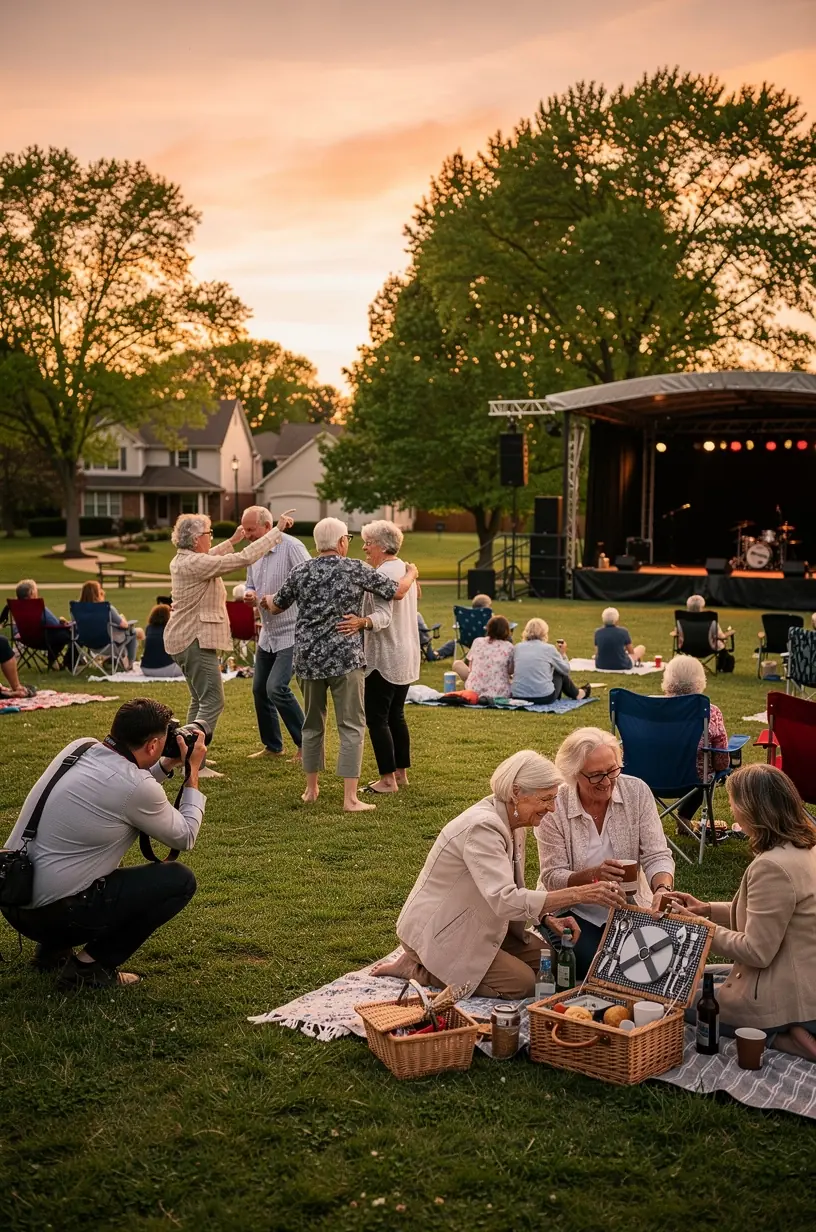
- Social Interaction: Live music events typically provide a platform for socializing. Engaging with others in a shared experience can combat feelings of loneliness, especially in the 40-60 age demographic, where isolation can often become a concern.
- Cognitive Engagement: Research indicates that listening to live music may stimulate cognitive functions. The complexity of live performances requires active listening, which can enhance mental alertness and engagement.
How to Incorporate Live Music into Your Life
If you're looking to improve your mental well-being through live music, consider the following approaches:
- Attend Local Concerts: Explore community events that feature live music. These often cater to various tastes and provide an opportunity to connect with others who share similar interests.
- Participate in Themed Nights: Many venues organize theme nights that can add a fun twist to your social calendar. These themed events typically create a more relaxed and enjoyable atmosphere.
- Join Music Clubs: Consider becoming part of local music clubs or social groups that focus on enjoying and discussing music. This can foster deeper connections and enhance your overall experience.
Setting Realistic Expectations
While many users have found that attending live music events can help improve their mental well-being, it is important to acknowledge that results can vary. Benefits may not be immediate and typically manifest over time with regular engagement. Thus, it may take several weeks of consistent participation to notice significant improvements in mood and social connections.
Conclusion
In conclusion, engaging with live music can serve as a reliable approach to enhancing mental well-being, particularly for audiences aged 40-60. By attending concerts, participating in themed nights, or joining social clubs, individuals can experience not only the joy of music but also the associated mental health benefits. Remember, while the effects of music on mental health can be profound, they often require time and consistency to fully appreciate.
Discover More